Foam Rollers and Myofascial Release Tools
Effective muscle recovery starts with understanding how to manage soft tissue tension. Our collection of myofascial release tools is curated to provide users with the means to perform self-massage at home or in the gym. From high-density foam rollers to specialized massage balls, these tools are built to withstand the pressure required for deep tissue work.
High-Density Foam Rollers
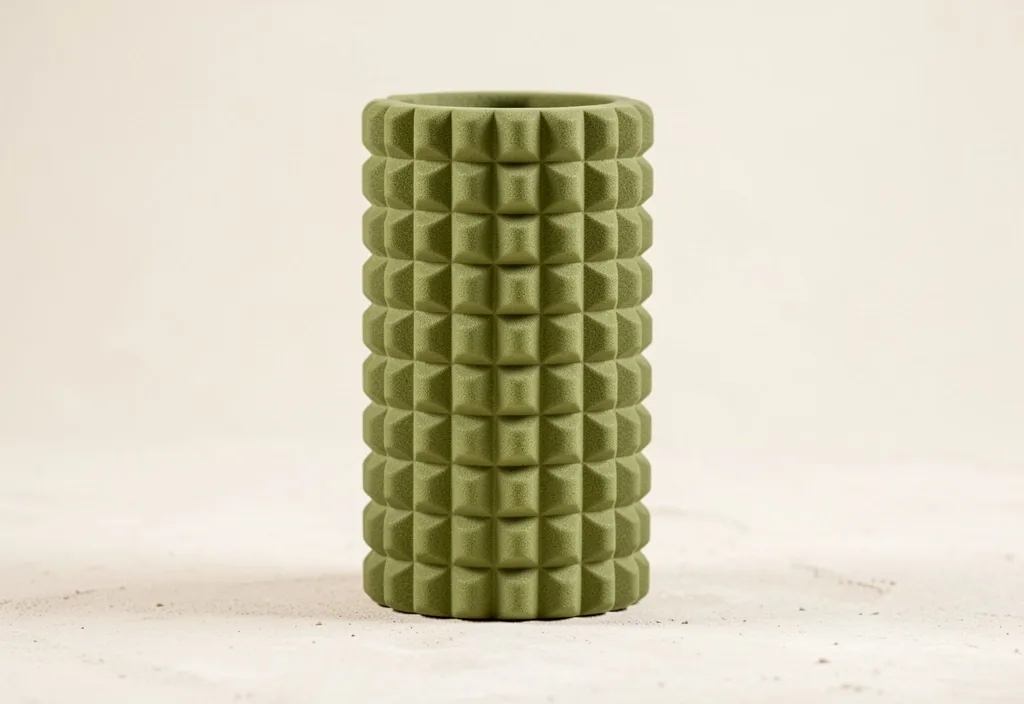
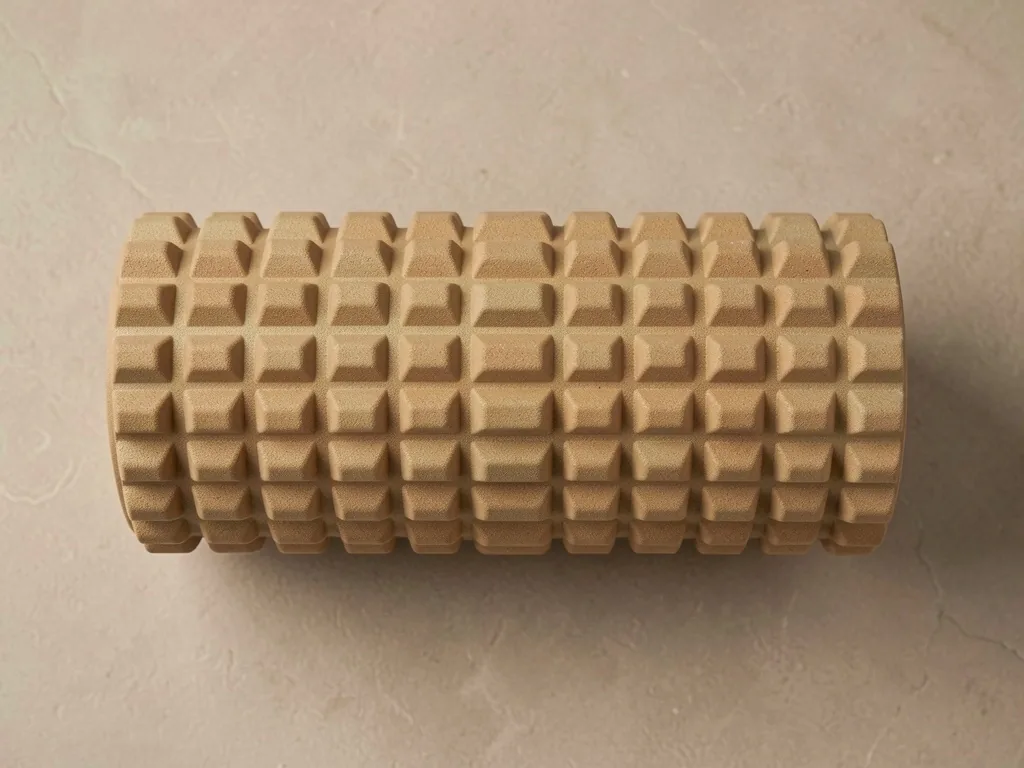
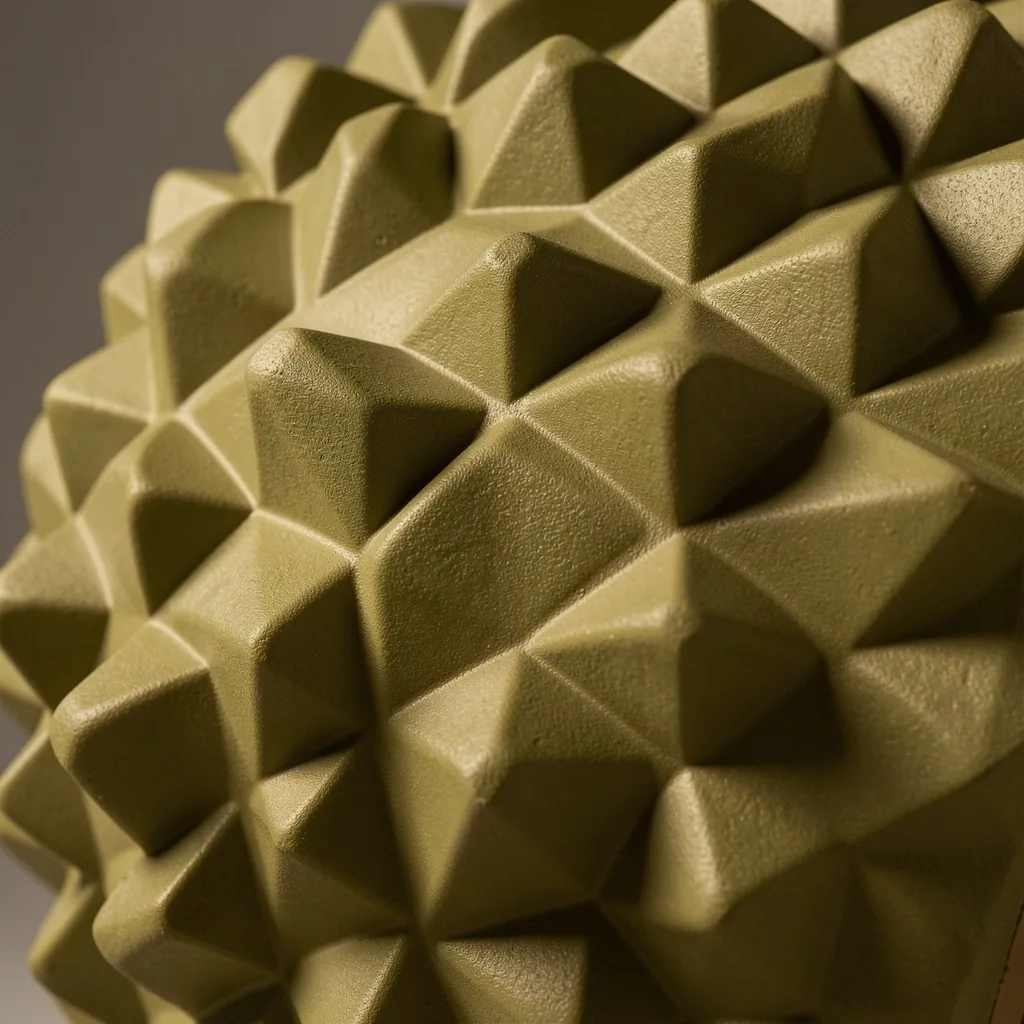
The muscle massage roller is a fundamental tool for anyone engaging in regular physical activity. We offer rollers with various surface textures, including smooth options for general use and gridded patterns for more intense pressure. These tools are sized to accommodate large muscle groups, providing a stable platform for rolling out the hamstrings, back, and thighs.
A smooth-surface roller distributes pressure evenly across a broad area, making it ideal for beginners learning foam rolling exercises or for flushing out legs after a long run. The gridded variants channel pressure into specific lines of fascia, letting you sink deeper into stubborn tissue along the IT band or the quadriceps without needing to press harder with your arms.
Broad, even pressure distribution. Suited for general post-workout recovery and beginners building tolerance to rolling.
Channelled pressure for targeted fascia work along the IT band, hamstrings, and quadriceps. Better for experienced users.
Precision Massage Balls
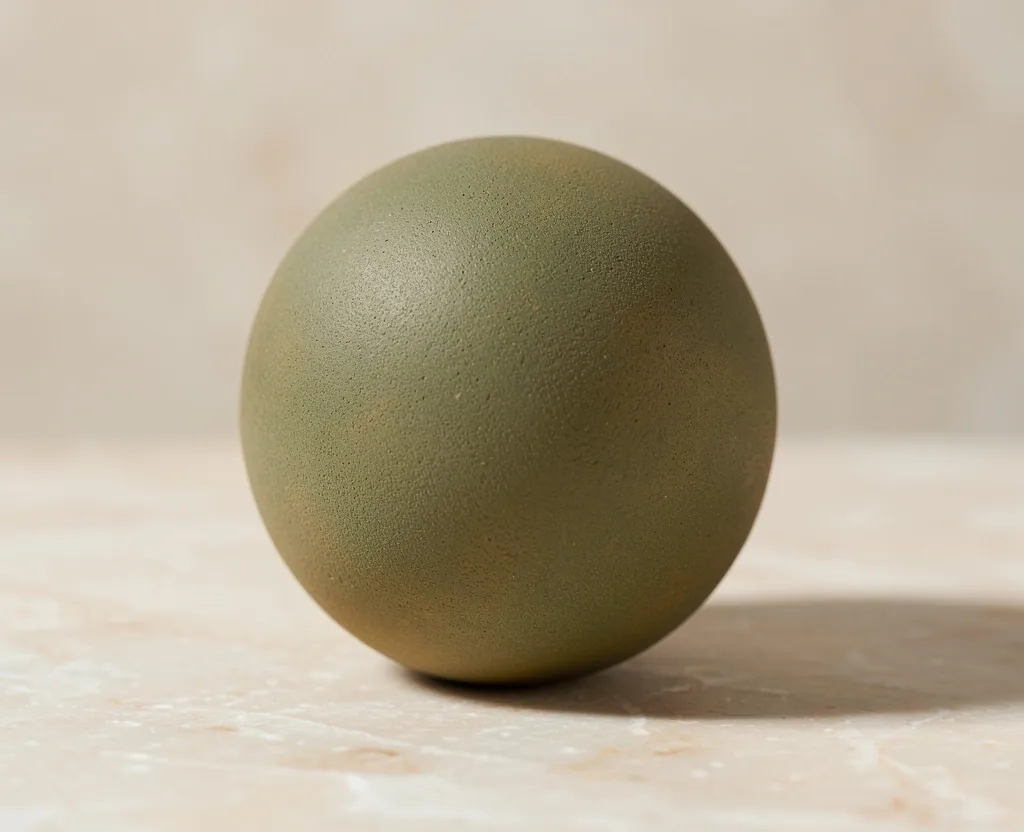
When a foam roller is too broad, massage balls provide the necessary precision. These are ideal for targeting small areas such as the arches of the feet, the glutes, or the space between the shoulder blades. Using a firm ball allows for a concentrated application of pressure that can help release specific muscle knots.
The smaller contact point means you can reach tissue that a full-size roller simply skates over. Plantar fascia along the sole of the foot, the piriformis deep in the hip, and the rhomboids between the shoulder blades all respond well to the focused downward pressure that a dense ball can deliver. Many users keep one at a desk and another in a gym bag for quick spot work between sessions.
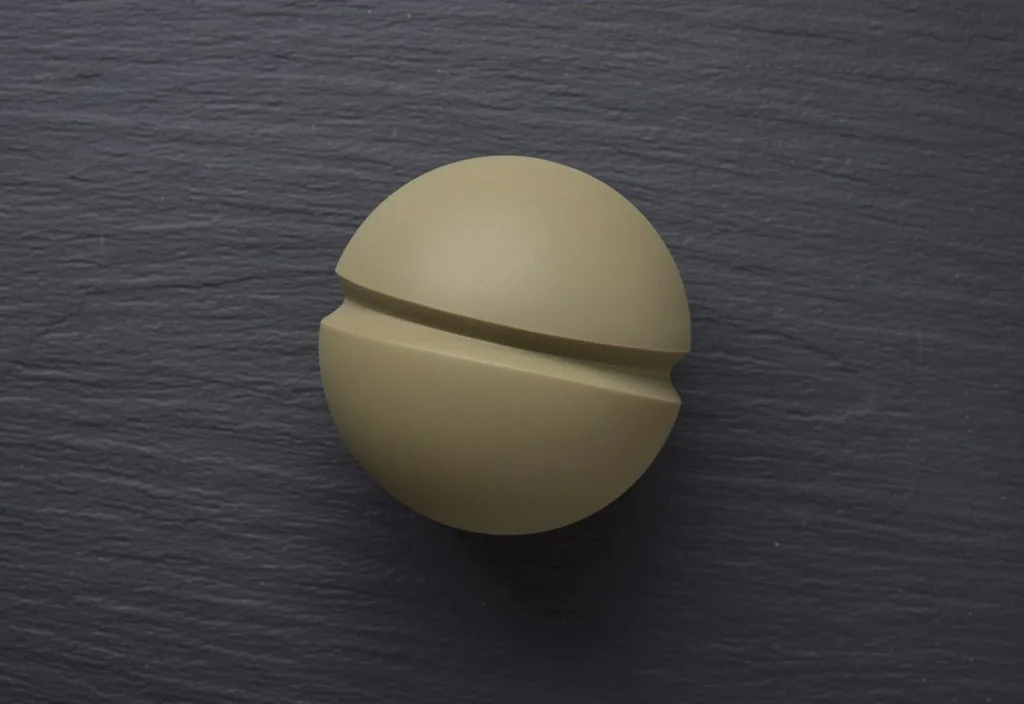
The Peanut Massage Ball
The peanut massage ball is specifically designed to cradle the spine while targeting the muscles running parallel to it. This double-ball shape prevents direct pressure on the bone while allowing for deep work on the erector spinae. It is a favorite for those who experience stiffness in the upper back after long hours of sitting or heavy lifting.
The channel between the two spheres is what makes this tool distinctive. Lying back onto the peanut so that your spine sits in the gap lets you roll up and down from the base of the neck to the lower back without grinding vertebrae against a hard surface. It is a practical tool for anyone who spends extended periods at a desk or returns from training with a stiff back.
How to Release Muscle Knots
Releasing a knot requires a combination of steady pressure and slow movement. By placing a massage ball directly on the trigger point and breathing through the discomfort, you allow the tissue to gradually soften. This process, often referred to as ischemic pressure, is a key technique in any myofascial release routine.
The goal is not to force the knot into submission. Find the tender spot, settle your body weight onto the ball, and hold still for thirty to sixty seconds while taking slow, controlled breaths. You should feel the tension ease gradually rather than trying to roll aggressively over a tight point. Once the area softens, small, controlled movements of a few centimetres in each direction help encourage the surrounding fascia to follow.
-
A
Locate the tender point
Roll slowly until you find a concentrated spot of tension. Stop directly on it.
-
B
Hold steady pressure
Let your body weight sink onto the ball. Breathe slowly for 30 to 60 seconds.
-
C
Add small movements
Once the area softens, shift a few centimetres in each direction to work the surrounding fascia.
Durable Materials for Long-Term Use
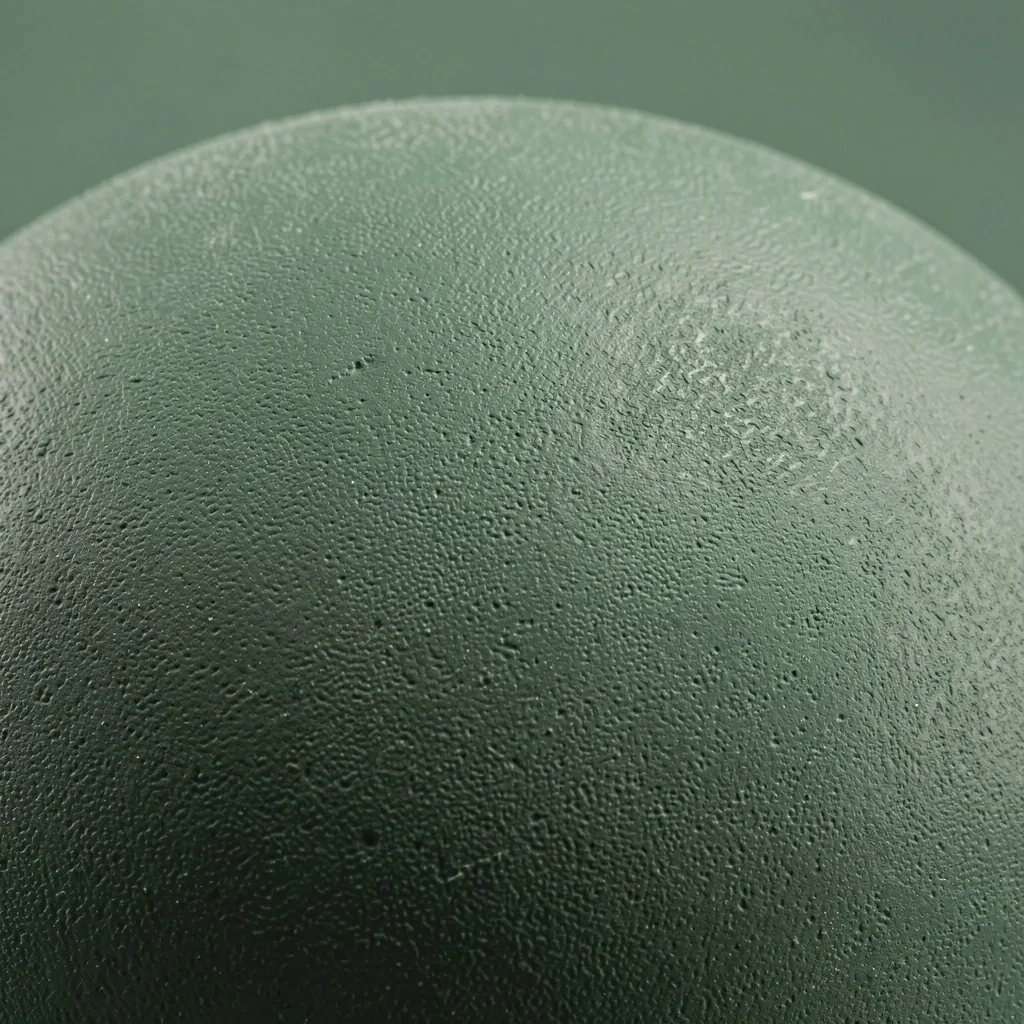
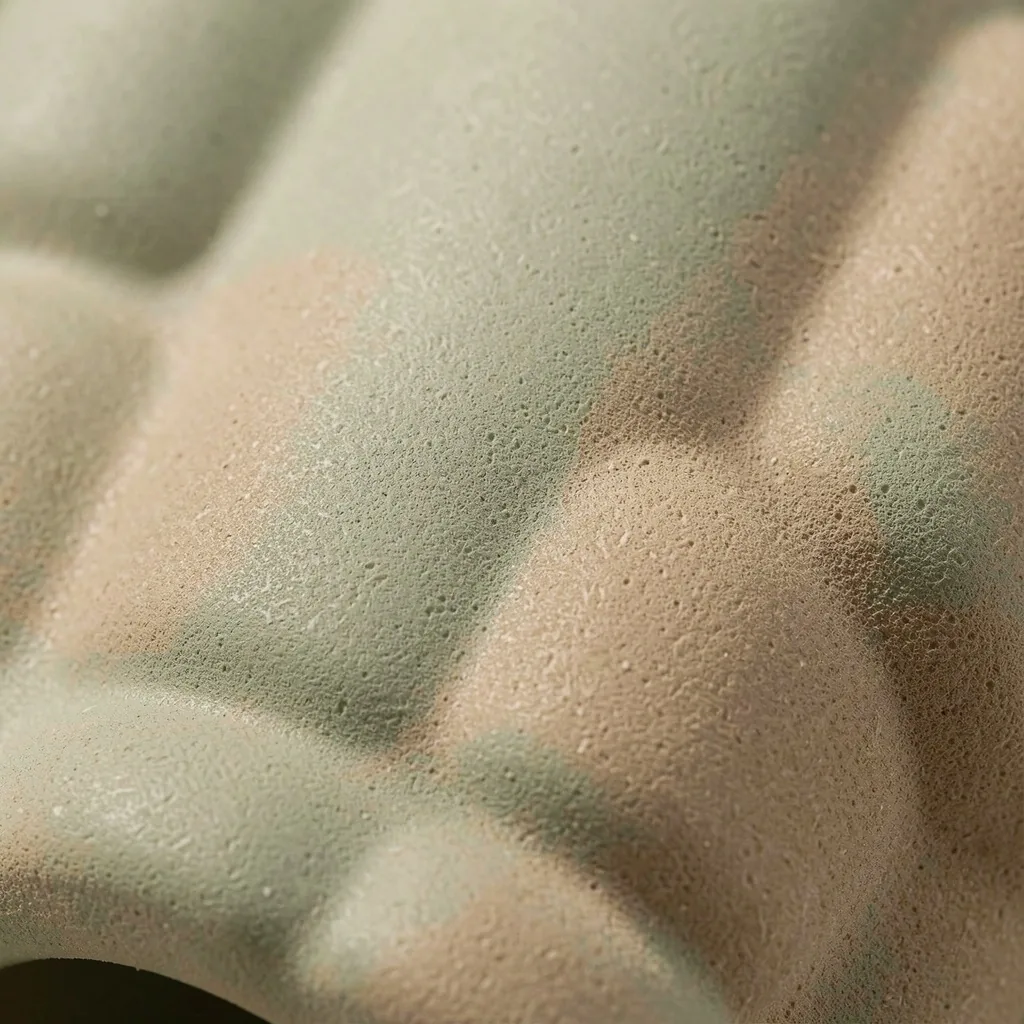
MFR equipment must be firm enough to effect change in the tissue without being brittle. Our tools are made from high-quality EVA foam and dense rubber compounds that do not compress permanently over time. This ensures that your foam roller provides the same level of resistance in month twelve as it did on day one.
Integrating MFR into Your Routine
Myofascial release is most effective when performed consistently. Many users find success by spending ten minutes on a foam roller immediately after a workout or before bed. This helps manage the cumulative tension that builds up from repetitive movements or static postures.
A short, regular session produces better results than a long, occasional one. Ten minutes spent working through the calves, quads, and upper back after training helps maintain the tissue quality you need for the next session. Before bed, gentle rolling of the neck and shoulders can help shift the body out of a forward posture held all day at a screen.
Portability and Convenience
Many of our myofascial tools are compact enough to fit into a standard gym bag. This allows you to bring your recovery gear to the track, the gym, or even on business trips. Maintaining your mobility should not stop just because you are away from your home setup.
A massage ball takes up less room than a water bottle and can be used against a wall in a hotel room or at the office between meetings. A shorter travel roller slides easily alongside kit in a bag, so you can flush your legs after a race or a long travel day without waiting until you are back home.
Selecting the Right Tool
Choosing between a roller and a ball depends on your specific needs. If you are new to the practice, a softer foam roller may be the best starting point. Those who are experienced with deep tissue work often gravitate toward firmer massage balls or vibrating rollers for a more intense experience.
Softer foam roller
Gentler pressure lets you build tolerance to rolling while learning where your tight areas sit. A smooth surface covers large muscle groups without overwhelming the tissue.
Firmer massage balls
Concentrated pressure reaches deeper tissue layers. Best for users who know their trigger points and can manage sustained pressure without bracing against it.
Vibrating rollers
Added vibration encourages tissue to release under less manual force. Suited to those with an established MFR practice who want to deepen their recovery sessions.
Still deciding which tool fits your routine? Our recovery guide walks through each option with practical demonstrations for rolling technique, breathing, and pressure control.